Booking choice: The Chianti wineries tour, from $55 per person. Check dates Tour details
Chianti is the easy wine trip from Florence. The first wineries are about an hour away, the tours leave from the station area in the morning, and you are back in town for dinner. What changes from one tour to the next is the glass: how many wineries, how many wines at each, whether lunch is included, and how you get there.
Below are the tours on this site side by side, what Chianti and Chianti Classico mean on a label, the ageing words a winemaker will use, and the best months to go. Our guide to Florence wine has the background on the local wines.
The quick answer
Most Chianti tours from Florence meet near Santa Maria Novella station, drive about an hour into the hills and visit one or two wineries, with 3 to 7 wines and a plate of bread, olive oil, salami or cheese. Half-day tours run 4.5 to 6 hours; the full days with Siena and San Gimignano take 11. Lunch is included only on some tours, and none of the tours here includes hotel pickup.
How does a Chianti wine tour from Florence work?
You meet at a fixed point in Florence, ride into the hills, and visit one or two wineries for a short cellar and vineyard walk followed by a seated tasting with local food. Then you ride back.
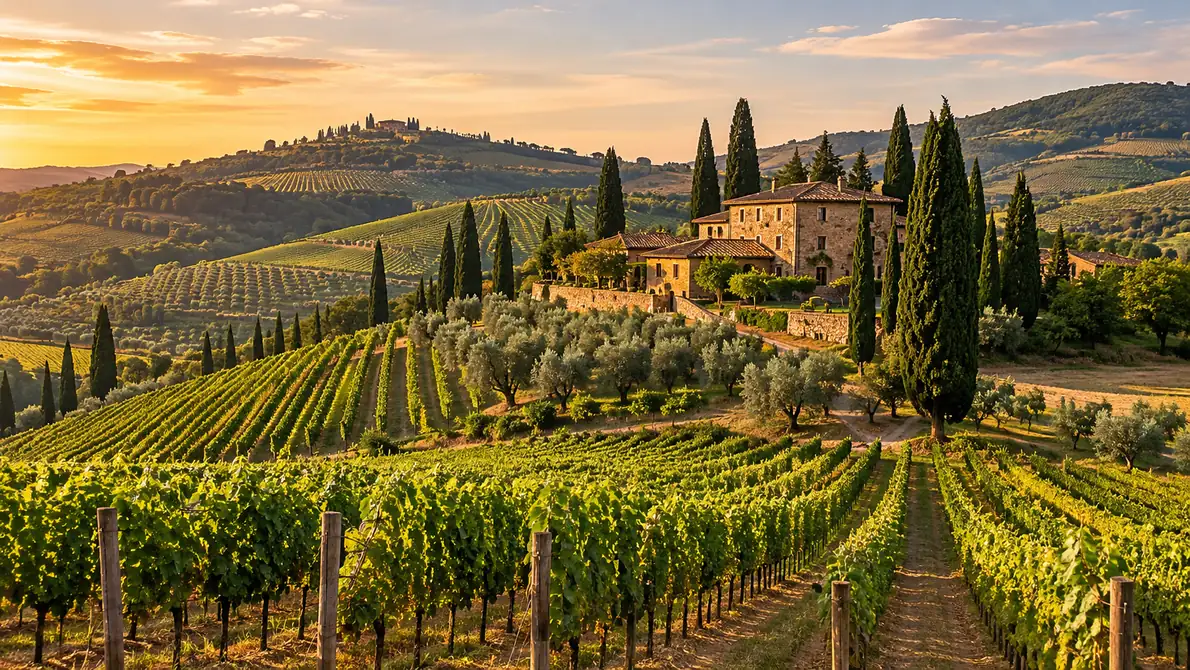
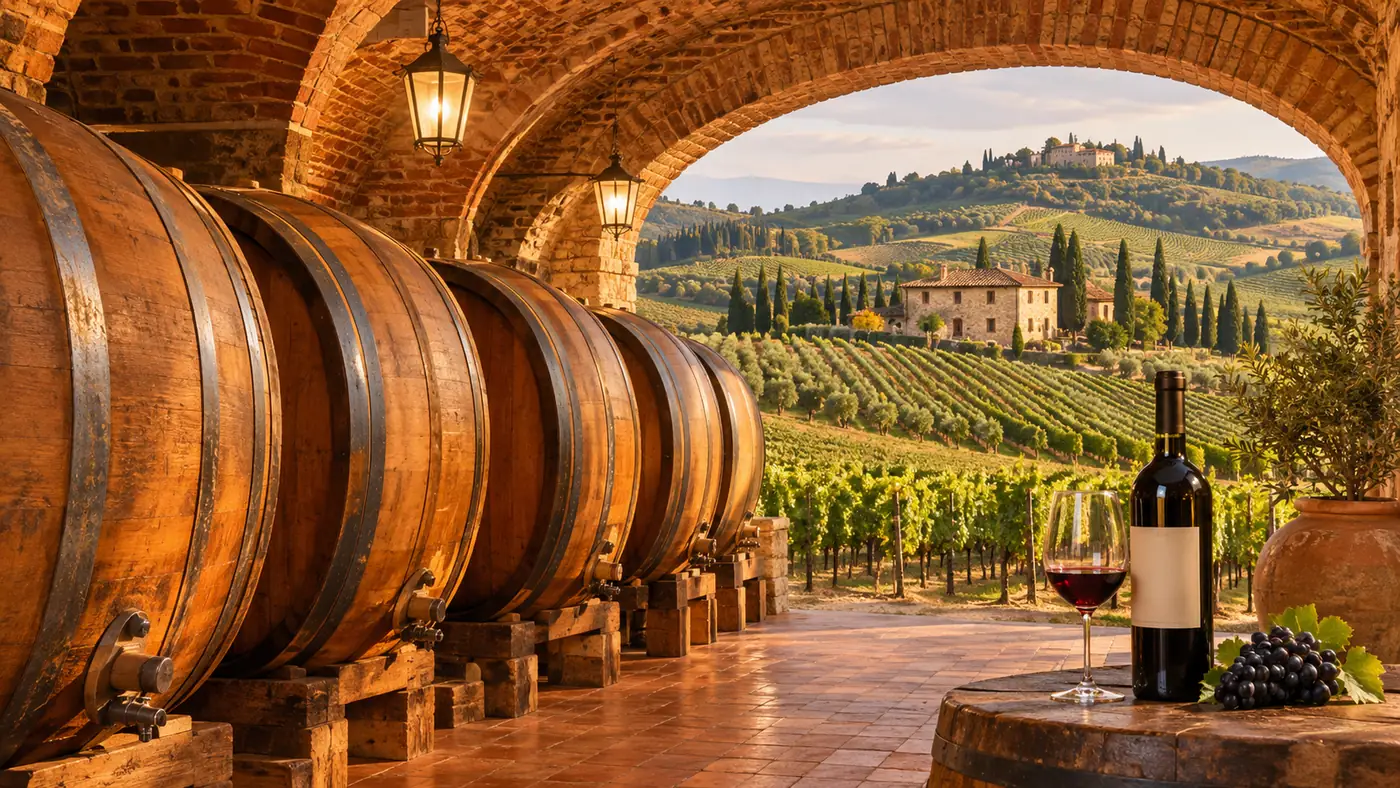
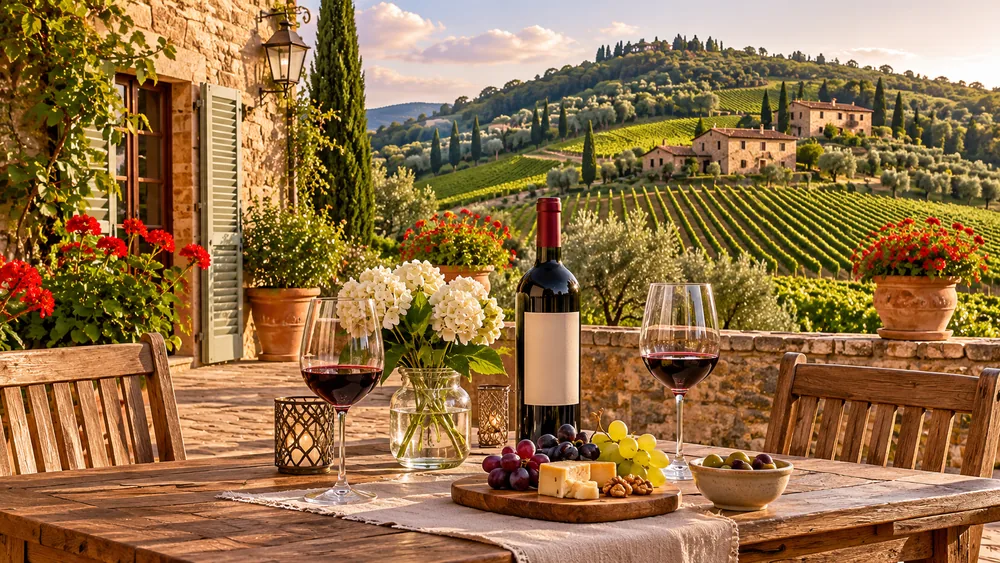
The flagship Chianti wineries tour is a good model of the day. You meet the tour leader at the Piazzale Montelungo bus stop, a 5 to 10 minute walk from Santa Maria Novella station, and board a coach with Wi-Fi. About an hour later you reach the first winery for around 80 minutes: a welcome from the winemakers, a walk through the cellar and the nearby vines, then 3 or 4 wines with bread, olive oil, balsamic vinegar and salami. A half-hour drive takes you to the second winery for another round, then back to Florence, per the listing.
Two practical points from the listing. Friends who book separately may end up on different coaches, so book together. The group may split in two for the winery visits, which keeps the cellar walk manageable. Lunch is not included, so eat a proper breakfast.
★★★★★Wineries were situated in classic panoramic Chianti hillsides. The wine sampling was generous and the wines excellent. The guides were informative and knowledgeable. Great value, I highly recommend.
Which Chianti wine tour from Florence should I book?
Pick by what you want in the glass and how you want to travel: the coach tours are the simplest, the minibus is smaller, and the Vespa and e-bike days put you on the road yourself.
The tours compared, with what each listing includes:
| Tour | From | Length | In the glass | Lunch |
|---|---|---|---|---|
| Chianti wineries tour | $55 | 5 to 6.5 hours | 2 wineries, 3 to 4 wines at each | No; bread, oil, salami |
| Chianti wine and food tour | $54 | 6 hours | 2 wineries, 7 wines | No; cheese, oil, bruschetta |
| Chianti hills half day | $50 | 5 hours | 1 winery, 7 wines | No; Tuscan snacks |
| Small-group Tuscany tour | $100 | 4.5 hours | 2 estates, wines and olive oils | No; local produce |
| San Gimignano, Siena and Chianti | $80 | 11 hours | 1 winery, 3 Chianti wines | Yes, 3 courses |
| Chianti Vespa tour | $132 | 6 hours | 1 winery, wine and olive oil | Yes, a Tuscan meal |
| Chianti e-bike tour | $50 | 6 hours | Winery tasting plus a 2nd in Florence | Yes, at the winery |
| Brunello and Montepulciano day | $252 | 10.5 hours | 2 wineries in southern Tuscany | Yes |
- First Chianti day, lowest effort: the Chianti wineries tour, the most booked tour on this site.
- The most wines: the half day and the wine and food tour both pour 7. The wine and food tour meets at Villa Costanza, about 20 minutes from the centre on tram T1.3, and the tram ticket is yours to buy, per the listing.
- A smaller group: the minibus tour, with a driver-guide and a maximum of 25 guests, or 8 on the semi-private option, per the listing. Children must be at least 12.
- Wine plus sightseeing: the San Gimignano, Siena and Chianti day, with lunch at the winery.
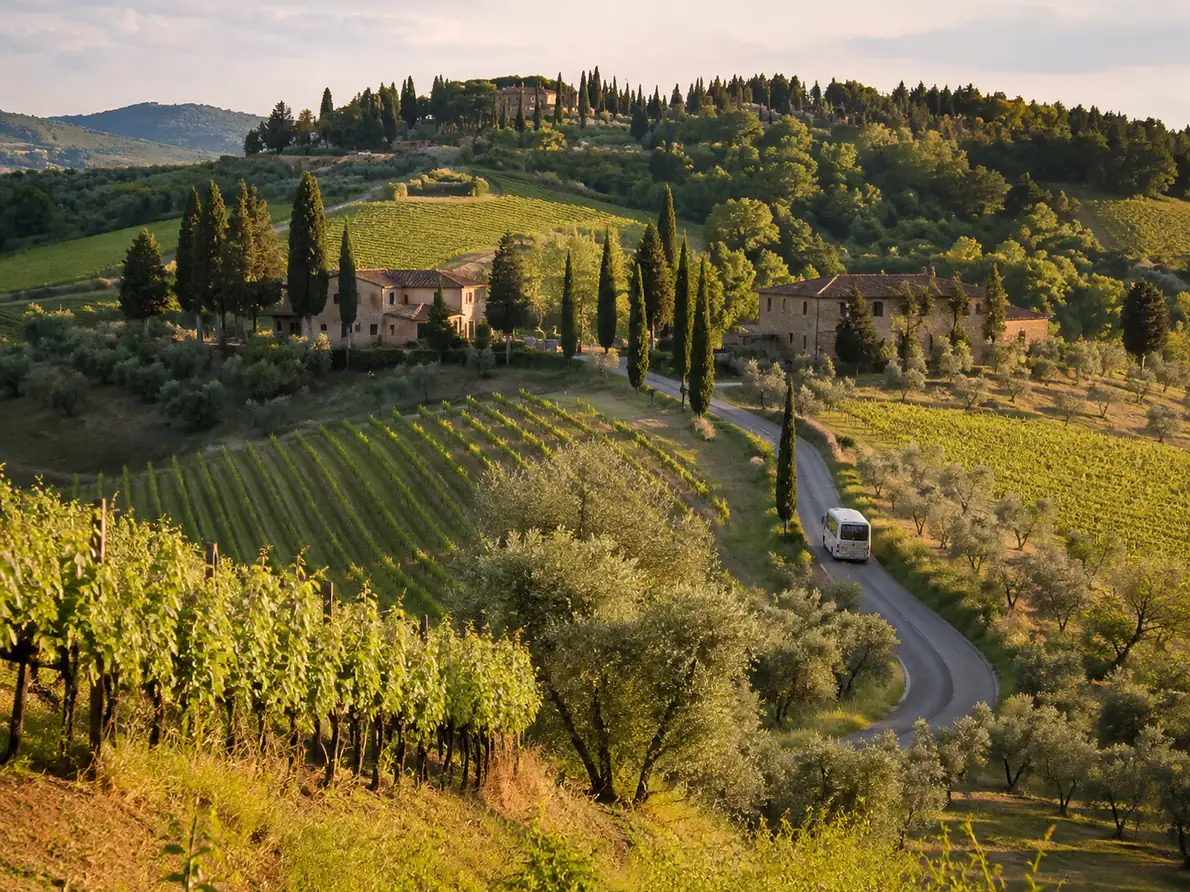
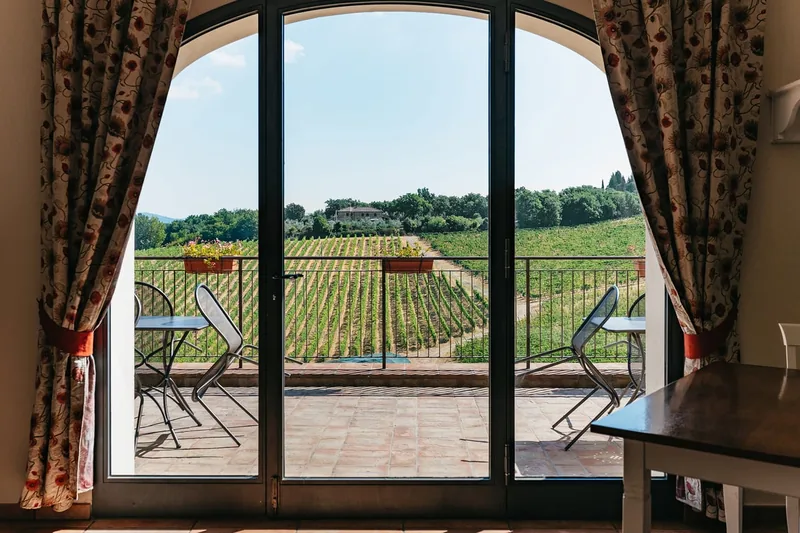
A minibus, a driver-guide and two wine estates in the Chianti Classico hills, back in Florence after 4.5 hours.
Check dates for the small-group Tuscany wine tourWhat is the difference between Chianti and Chianti Classico?
They are two separate DOCG wines with separate consortia. Chianti Classico comes from the original area between Florence and Siena and carries the Black Rooster; Chianti DOCG is made across a much larger area of six provinces.
The rules, side by side:
| Chianti Classico DOCG | Chianti DOCG | |
|---|---|---|
| Area | Between Florence and Siena, the area fixed in 1716 | Six provinces: Arezzo, Florence, Pisa, Pistoia, Prato, Siena |
| Symbol | The Black Rooster (Gallo Nero) | No rooster |
| Sangiovese | Min 80%, up to 100% | Min 60% since 2026 |
| Subzones | 11 UGAs, for Gran Selezione only | 8 since 2026, incl. Rufina and Colli Fiorentini |
| Top tier | Gran Selezione | Riserva (no Gran Selezione) |
| Consortium | Founded 1924 in Radda in Chianti | Founded 1927 |
The 2026 changes are on the Chianti DOCG side. New rules approved by the Ministry and published in the Gazzetta Ufficiale lowered the minimum Sangiovese from 70% to 60%, added an eighth subzone, Chianti Terre di Vinci, and created a rosé version, per Gambero Rosso (16 June 2026). The same report says the consortium shelved its plan for a Chianti Gran Selezione.
On the tours you will usually taste both. The flagship tour's first winery explains what it takes to be classified as Chianti Classico, and the San Gimignano day pours Chianti and Chianti Classico with lunch, per the listings.
What do Annata, Riserva and Gran Selezione mean?
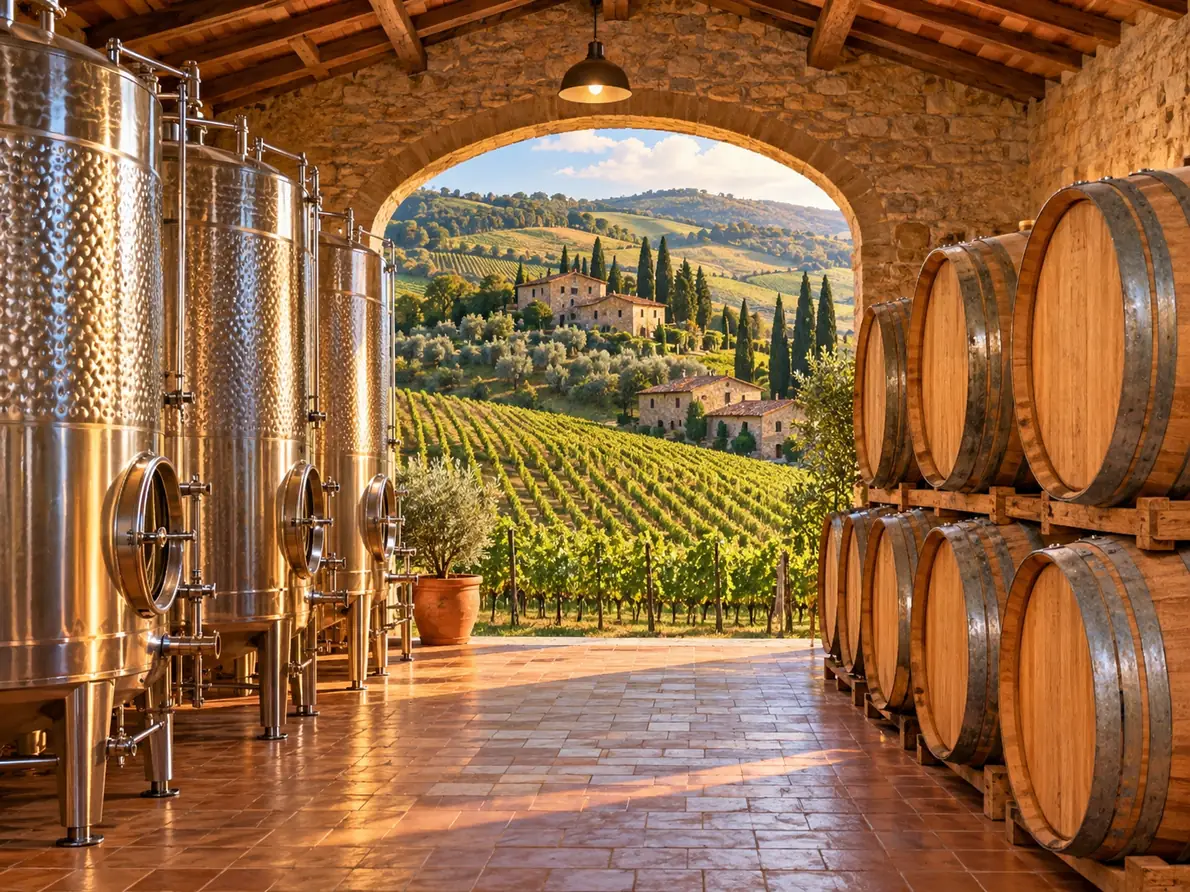
They are the three ageing levels of Chianti Classico: at least 12 months for Annata, 24 for Riserva and 30 for Gran Selezione, which must also be made only from the estate's own grapes.
| Level | Minimum ageing | Minimum alcohol | Note |
|---|---|---|---|
| Annata | 12 months | 12% | The standard Chianti Classico |
| Riserva | 24 months, incl. 3 in bottle | 12.5% | |
| Gran Selezione | 30 months, incl. 3 in bottle | 13% | Estate-grown grapes only; about 6% of production |
Gran Selezione arrived in 2014 and is the top of the pyramid. Since 2021 the consortium has recognised 11 UGAs, named village areas reserved for Gran Selezione labels, with stricter Gran Selezione grape rules being phased in. The 11 are Castellina, Castelnuovo Berardenga, Gaiole, Greve, Lamole, Montefioralle, Panzano, Radda, San Casciano, San Donato in Poggio and Vagliagli, per the consortium.
A tip for the tasting table: ask which level each wine is. Pouring an Annata next to a Riserva from the same winery is the clearest lesson in what time in the cellar does to Sangiovese.
Which Chianti villages do wine tours visit?
Tours drive through the Chianti Classico towns, such as Greve in Chianti, Panzano, Castellina in Chianti and San Casciano in Val di Pesa, and the longer days add San Gimignano, Siena or Monteriggioni.
The wineries themselves change with the season and the group size, so most listings describe the kind of estate (family-run, with vines and a cellar) rather than a name. The villages are the scenery between stops:
- Greve in Chianti and Panzano: on the road south from Florence through the heart of the area.
- Castellina, Radda and Gaiole in Chianti: the hill towns further south, towards Siena.
- San Casciano in Val di Pesa: on the Florence side of the area, home to the Antinori estate at Bargino.
- Monteriggioni or San Gimignano: the walled village or the towers town, added on the Chianti wine and food tour, per the listing.
The San Gimignano, Siena and Chianti day gives you about two hours in San Gimignano, a winery lunch, then Siena. From November to March it skips Monteriggioni and returns about 30 minutes earlier, per the listing.
Is a Chianti wine tour with lunch worth it?
If you want a full day and a sit-down Tuscan meal with the wine, yes. If you mostly want to taste, a tour without lunch is shorter and cheaper, and the tasting plates are generous.
Which tours include a meal, per the listings:
- Lunch included: the San Gimignano, Siena and Chianti day (a 3-course Tuscan lunch, gluten-free or vegetarian on request), the Chianti Vespa tour (a Tuscan meal at a countryside estate), the Chianti e-bike tour (lunch at the winery) and the Brunello and Montepulciano day.
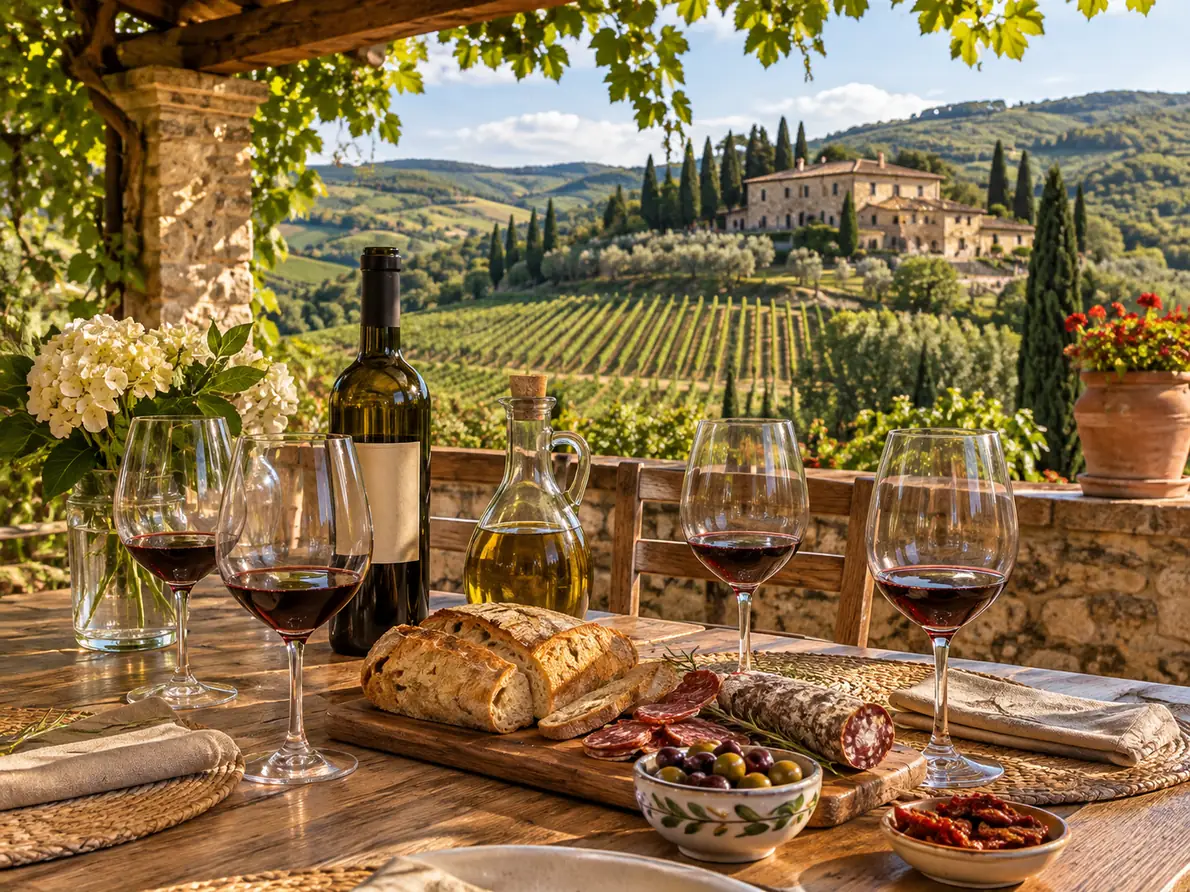
- Tasting plates instead: the Chianti wineries tour, the wine and food tour, the half day and the small-group tour serve bread, olive oil, salami, cheese or bruschetta with the wines.
The San Gimignano day's sample menu lists cured meats, bruschetta and pecorino, then penne with meat ragù, and a jam tart with a sweet dessert wine. On a tour without lunch, plan a late lunch back in Florence.
★★★★★Better than expected. Our guides were very helpful and friendly. Lunch and wine tasting was superb! Highly recommend this tour!
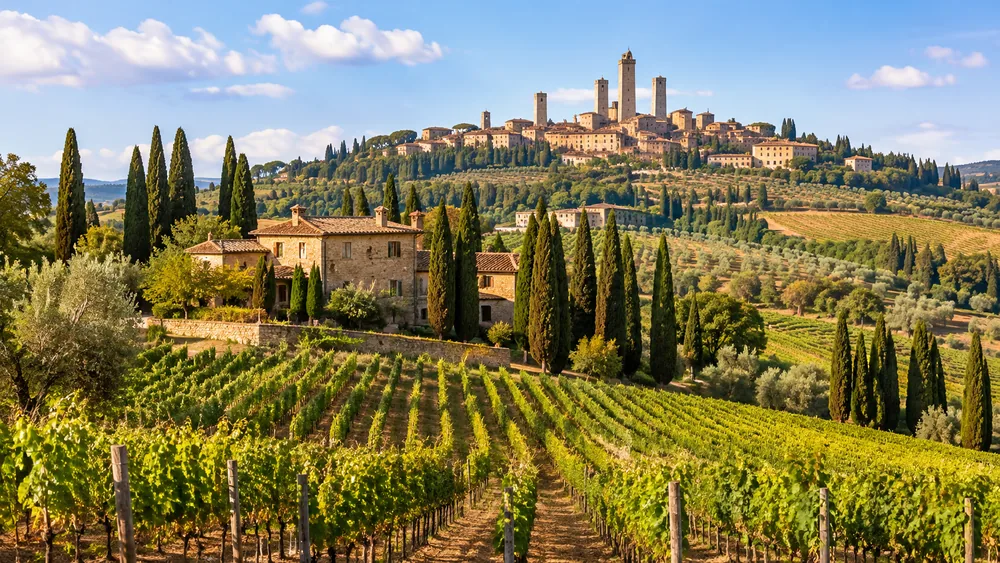
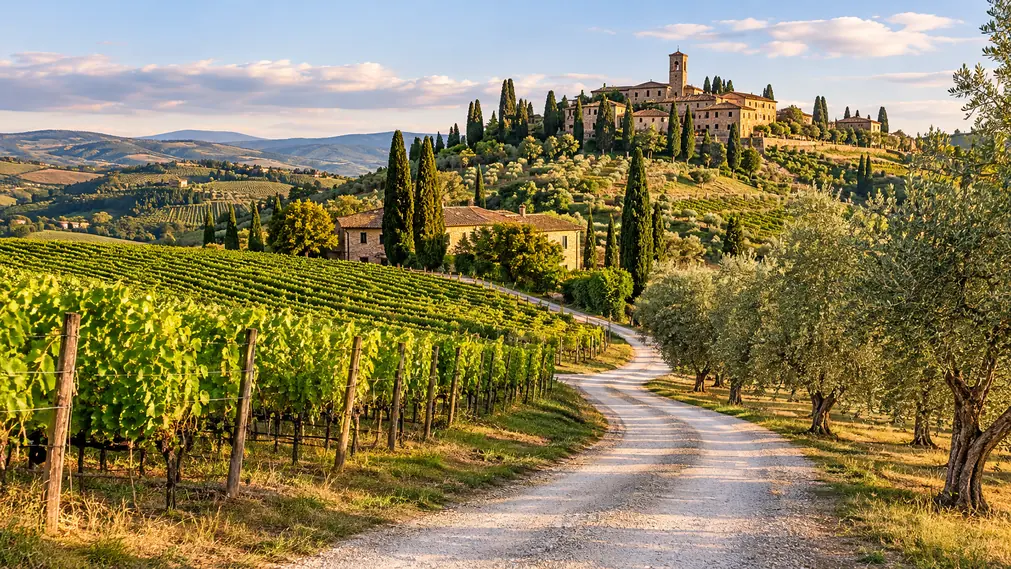
San Gimignano's towers, a Chianti winery lunch with three wines and an afternoon in Siena, by coach from Florence.
Explore the San Gimignano, Siena and Chianti day Tour detailsWhen is the best time for a Chianti wine tour?
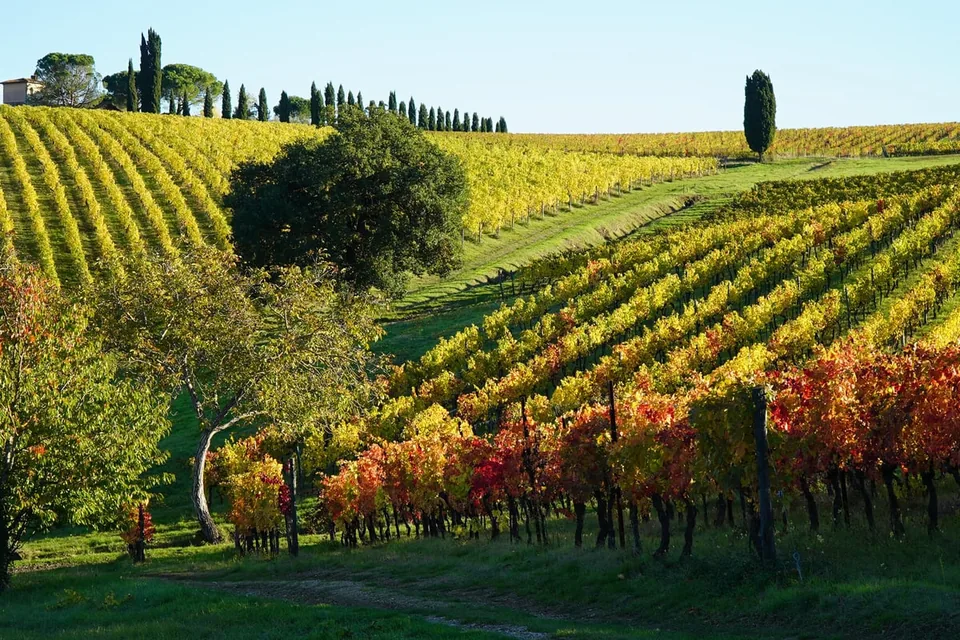
September and October, the harvest months, when many wineries host visitors, per Lonely Planet. July and August are the hottest and busiest; spring and late autumn are quieter.
Lonely Planet gives September an average high of 26 C and October 21 C. The 2026 season came early: it was an early, hot harvest in Tuscany, and the consortia cut permitted yields, which the Region approved on 6 August (our 2026 harvest notes).
Winter details that matter, per the listings: the half day runs in English and Spanish from 2 November 2026 to 19 March 2027; the e-bike tour adds a second tasting at a hub in Florence for departures from 1 November; and the e-bike tour runs rain or shine.
Wine events, per Feel Florence, the city's official tourism site: I Vini nel Castello in Montefioralle (May), Castelnovino (June), Lamole sotto le stelle (late August), Expo Chianti Classico in Greve (second weekend of September), Radda nel bicchiere (September) and harvest festivals in Vagliagli and Mercatale Val di Pesa. In the city, the consortium's Chianti Classico Collection brought more than 200 producers to the Stazione Leopolda on 16 and 17 February 2026. Closer to now, Benvenuto Brunello runs in Montalcino from 19 to 23 November 2026 (our Benvenuto Brunello post).
How long is a Chianti wine tour, and do I need to drive?
From 4.5 hours for the minibus tour to 11 hours for the Siena and San Gimignano day. You don't need to drive: the coach and minibus tours leave the driving to someone else.
That matters in Italy. The general drink-driving limit is 0.5 g/l, and it is zero for drivers under 21, in their first 3 years of holding a licence, and for professional drivers. A tour with transport is the easy choice for a day of tastings.
On the Chianti Vespa tour you ride a Vespa or a scooter, or drive a Fiat Topolino electric car, behind a tour leader with a support vehicle. Drivers must be 18 or over with a valid licence, passengers 13 or over, per the listing, and the same limits apply to whoever drives. The Chianti e-bike tour starts from Via delle Ruote in Florence, with a test ride before you set off; riders must be 14 or over.
For a longer day further south, the Brunello and Montepulciano day takes 10.5 hours by van from Piazza degli Antinori, with tastings at two wineries and an underground cellar tour in Montepulciano. The driver is not a guide, per the listing: the sommeliers and winemakers do the explaining.
The most booked tour on this site: two Chianti wineries by coach, three or four wines at each, back in town by the evening.
Check dates for the Chianti wineries tourFrequently asked questions
Can you visit Chianti from Florence without a car?
Yes. Every tour on this site includes the transport: a coach, a minibus or a van, or a Vespa, e-car or e-bike with a tour leader. The wine and food tour asks you to take the tram to Villa Costanza first.
Do Chianti tours from Florence include hotel pickup?
None of the tours on this site includes hotel pickup. They meet at fixed points in the centre, most near Santa Maria Novella station, such as Piazzale Montelungo.
How far is Chianti from Florence?
Close. The flagship tour reaches its first winery in about an hour and the minibus tour in about 45 minutes, per their itineraries.
Can children join a Chianti wine tour?
On some tours. The minibus tour is for ages 12 and up and the e-bike tour for 14 and up, per the listings. You must be 18 to buy alcohol in Italy, and ID may be requested.
Ready to book
Choose your tasting
Free cancellation up to 24 hours before on every option. Prices are from-prices in USD and move with the season.
Chianti Wineries Tour with Wine Tasting
- Air-conditioned coach from Florence
- English-speaking tour leader
- Guided tastings at 2 Chianti wineries
Small-Group Wine Tasting Tour to Tuscany
- Air-conditioned minibus from Florence
- Driver-guide
- Guided visits to 2 wine estates
San Gimignano, Siena & Chianti with Wine Lunch
Siena, San Gimignano and a Chianti lunch in one day